
Surgical tech programs offer a crucial entry point into the dynamic world of healthcare, a field demanding precision, skill, and unwavering dedication. Aspiring professionals find themselves at the nexus of the operating room, where they become integral to the surgical team. This guide navigates the essential aspects of these programs, from the fundamental roles and responsibilities to the rigorous curriculum, career prospects, and the personal attributes needed to thrive in this demanding environment.
The journey to becoming a surgical technologist is multifaceted, involving a deep understanding of surgical procedures, instrument handling, and sterile field maintenance. These programs equip students with the knowledge and hands-on experience necessary to assist surgeons during operations. Moreover, the landscape is constantly evolving, with job market trends, technological advancements, and the need for adaptable professionals shaping the future of surgical technology.
Exploring the fundamental roles and responsibilities within surgical technology practices is essential for aspiring professionals
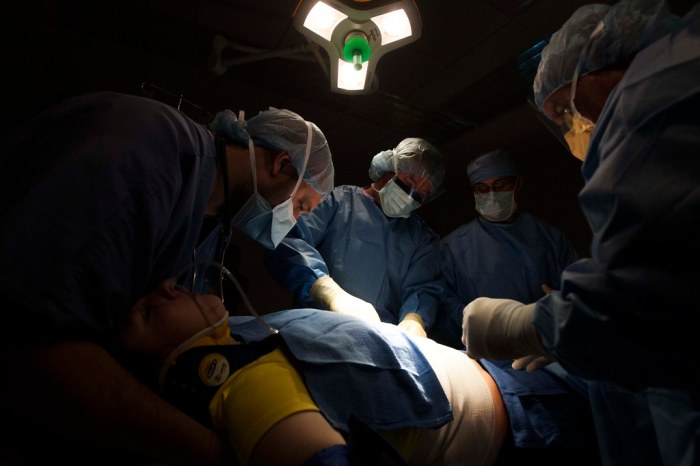
The surgical technologist plays a critical, multifaceted role in the operating room, acting as a vital member of the surgical team. Their responsibilities span the entire surgical process, from preparing the operating room and instruments to assisting the surgeon during the procedure and ensuring a safe and sterile environment. Understanding the breadth and depth of these duties is paramount for anyone considering a career in this demanding and rewarding field.
Primary Duties Across Surgical Phases
Surgical technologists are involved in all phases of a surgical procedure, each requiring a distinct set of skills and responsibilities. These phases are broadly categorized as pre-operative, intra-operative, and post-operative.
During the pre-operative phase, the surgical technologist prepares the operating room, ensuring it is properly equipped with all necessary instruments, supplies, and equipment. This includes setting up the sterile field, a critical area where all surgical instruments and materials are placed. The technologist also gathers and organizes instruments based on the surgical plan, anticipating the surgeon’s needs. Patient safety is a primary concern, involving verifying the patient’s identity, confirming the surgical site, and assisting with patient positioning and draping. Furthermore, the technologist collaborates with the surgical team to perform a “time out,” a final verification process to prevent errors before the surgery begins.
The intra-operative phase is the most active for the surgical technologist. They actively assist the surgical team by passing instruments, sponges, and other supplies to the surgeon and assistants. The technologist anticipates the surgeon’s needs, providing instruments in a timely and organized manner. They maintain the sterile field throughout the procedure, monitoring for any breaks in technique that could compromise sterility. They may also assist with tasks such as suctioning, retracting tissues, and applying dressings. They are responsible for keeping track of the amount of irrigation fluid and medications used during the surgery. This information is crucial for accurate patient monitoring and documentation.
In the post-operative phase, the surgical technologist assists with wound closure, applying dressings, and preparing the patient for transfer to the recovery room. They are responsible for cleaning and sterilizing instruments and equipment, ensuring they are ready for the next surgical procedure. They also assist in the turnover of the operating room, preparing it for the next patient. This involves removing used supplies, disposing of waste, and cleaning surfaces. The technologist is involved in documenting the surgical procedure, including the instruments and supplies used, as well as any complications.
Teamwork and Collaboration in the Operating Room
Surgical technologists are integral members of a highly collaborative healthcare team. Effective communication and teamwork are essential for ensuring patient safety and optimal surgical outcomes.
Surgical technologists work closely with surgeons, anticipating their needs, passing instruments, and assisting with various surgical tasks. They must possess excellent communication skills to understand the surgeon’s instructions and respond quickly and efficiently. For example, during a laparoscopic cholecystectomy (gallbladder removal), the technologist would anticipate the need for instruments like graspers, scissors, and a cautery device, ensuring they are readily available for the surgeon.
Collaboration with nurses is crucial, especially the circulating nurse, who is responsible for the non-sterile aspects of the operating room. The circulating nurse provides supplies, monitors the patient’s condition, and documents the procedure. The surgical technologist works with the circulating nurse to ensure a smooth flow of supplies and equipment. During a major orthopedic procedure, the circulating nurse may provide bone cement while the surgical technologist prepares the instruments.
Collaboration extends to other healthcare team members, including anesthesiologists, who are responsible for the patient’s anesthesia and vital signs, and surgical assistants, who may provide additional support during the surgery. The surgical technologist works with the anesthesiologist to ensure the patient is safely positioned and ready for surgery. The technologist also assists the surgical assistants with tasks such as retracting tissues and suturing.
Key Responsibilities of a Surgical Technologist
The following list Artikels key responsibilities that define the role of a surgical technologist.
- Instrument Preparation: Preparing, sterilizing, and organizing surgical instruments and equipment, ensuring they are readily available and in proper working order.
- Sterile Field Maintenance: Establishing and maintaining a sterile field, which is a sterile environment that prevents contamination during surgery.
- Patient Positioning: Assisting with positioning the patient on the operating table, ensuring patient safety and proper access to the surgical site.
- Instrument Passing: Passing instruments, sponges, and other supplies to the surgeon and assistants in a timely and efficient manner.
- Wound Closure Assistance: Assisting with wound closure, including applying dressings and preparing the patient for transfer to the recovery room.
The Importance of Maintaining a Sterile Field
Maintaining a sterile field is paramount in surgical technology. It is the cornerstone of preventing surgical site infections (SSIs), which can lead to serious complications, prolonged hospital stays, and increased healthcare costs. The sterile field is a designated area within the operating room that is free from all microorganisms. This area includes the surgical drapes, the sterile instruments and supplies, and the sterile gowns and gloves worn by the surgical team.
The surgical technologist plays a crucial role in establishing and maintaining the sterile field. This involves adhering to strict principles of asepsis, which are practices designed to prevent contamination. These principles include proper handwashing, the use of sterile gowns and gloves, and the avoidance of touching non-sterile surfaces with sterile items. For example, if a sterile instrument falls off the sterile field, it is considered contaminated and must be replaced.
Contamination of the sterile field can occur through various means, including direct contact with non-sterile surfaces, airborne contamination, and the improper handling of sterile items. If the sterile field is compromised, the risk of SSI increases significantly. SSIs can range in severity from minor infections that can be treated with antibiotics to life-threatening infections that require additional surgery and prolonged hospitalization.
The consequences of contamination are significant, affecting both the patient and the healthcare system. For the patient, an SSI can lead to pain, suffering, and potentially death. The patient may require additional surgeries, prolonged hospital stays, and costly treatments. The healthcare system faces increased costs due to the treatment of SSIs, including the cost of antibiotics, additional procedures, and extended hospital stays. In extreme cases, a contaminated surgical site can lead to sepsis, a life-threatening condition caused by the body’s overwhelming response to an infection. The maintenance of a sterile field is not just a procedural requirement; it is a critical component of patient safety and quality of care.
Examining the curriculum and program requirements for surgical tech programs will clarify educational pathways
Aspiring surgical technologists must navigate a structured educational path to gain the necessary skills and knowledge for success in the operating room. This journey involves understanding the program curriculum, accreditation standards, and the importance of practical experience. This section delves into the specifics of surgical technology education, outlining the key components of a comprehensive program.
Typical Subjects Covered in a Surgical Technology Program
A robust surgical technology program curriculum provides a comprehensive understanding of surgical procedures and patient care. Students are immersed in a variety of subjects, equipping them with the knowledge and skills required to function effectively as integral members of the surgical team.
The curriculum typically encompasses:
* Anatomy and Physiology: This foundational course explores the structure and function of the human body. Students learn about the different body systems, including skeletal, muscular, circulatory, and nervous systems, as well as their intricate interrelationships. Understanding anatomy is crucial for anticipating the surgeon’s needs and correctly handling surgical instruments.
* Medical Terminology: This course focuses on the language of medicine, including prefixes, suffixes, and root words. Mastery of medical terminology is essential for effective communication with surgeons, nurses, and other healthcare professionals. It ensures accurate documentation and understanding of surgical procedures.
* Surgical Procedures: This core component provides in-depth knowledge of various surgical specialties, including cardiovascular, orthopedic, neurological, and general surgery. Students learn the steps of each procedure, the instruments used, and the role of the surgical technologist during each phase. The curriculum often includes detailed discussions of surgical techniques and potential complications.
* Pharmacology: This course covers the uses, actions, and side effects of medications commonly used in surgery. Students learn about anesthetics, antibiotics, and other drugs administered during surgical procedures. Understanding pharmacology allows surgical technologists to anticipate medication needs and assist in their administration.
* Microbiology and Infection Control: This critical course addresses the principles of infection control, sterilization techniques, and aseptic practices. Students learn about microorganisms, how they spread, and how to prevent surgical site infections. Adherence to these principles is paramount for patient safety.
* Surgical Instrumentation: Students learn about the various surgical instruments, their uses, and proper handling. They practice assembling surgical trays, preparing instruments for sterilization, and maintaining instrument inventory. This knowledge is crucial for efficiency and safety in the operating room.
* Patient Care: This course covers the principles of patient safety, positioning, and pre-operative and post-operative care. Students learn about the importance of patient advocacy and how to provide emotional support to patients.
* Surgical Technology Theory and Practice: This course combines classroom instruction with hands-on practice in a simulated operating room environment. Students practice scrubbing, gowning, gloving, and assisting during surgical simulations. This practical experience is crucial for developing proficiency in surgical techniques.
These subjects are typically integrated with clinical rotations, providing hands-on experience in real-world surgical settings. This combination of theoretical knowledge and practical application prepares surgical technologists for the challenges and responsibilities of the operating room.
Differences Between Surgical Technology Programs: Certificate, Associate’s, and Bachelor’s Degrees
The educational landscape for surgical technology offers different degree options, each with its own advantages. The choice of program depends on individual career goals, time commitment, and financial resources. Here’s a comparison of certificate, associate’s, and bachelor’s degree programs:
| Feature | Certificate Program | Associate’s Degree Program | Bachelor’s Degree Program |
| —————– | —————————————————— | ——————————————————- | ——————————————————— |
| Duration | Typically 9-12 months | Typically 2 years | Typically 4 years |
| Cost | Generally the most affordable option | More expensive than certificate programs | Most expensive option |
| Career Prospects | Entry-level positions; may limit advancement potential | Entry-level positions; opportunities for advancement | Stronger potential for leadership roles, higher salaries, and specialized positions |
* Certificate Programs: These programs provide focused training in surgical technology. They are often the quickest route to entering the field, but may limit career advancement opportunities. Graduates typically qualify for entry-level positions as surgical technologists.
* Associate’s Degree Programs: These programs offer a more comprehensive education, including general education courses in addition to surgical technology coursework. They provide a broader foundation for career advancement and may open doors to supervisory roles or specialized areas within surgical technology.
* Bachelor’s Degree Programs: These programs build upon the foundation of an associate’s degree, offering advanced coursework in areas such as management, education, or research. They can lead to leadership positions, such as surgical technology educators, or specialized roles in areas like surgical assisting. A bachelor’s degree may also be required for certain advanced certifications or management positions.
Importance of Clinical Rotations and Hands-On Experience
Clinical rotations are a cornerstone of surgical technology education, providing students with invaluable hands-on experience in real-world surgical settings. These rotations allow students to apply their classroom knowledge, develop essential skills, and gain exposure to various surgical specialties. This practical experience is crucial for building confidence and preparing for the demands of the operating room.
Here are some examples of common surgical specialties encountered during clinical rotations:
* General Surgery: Students assist with a wide range of procedures, including appendectomies, cholecystectomies, and hernia repairs. They learn to prepare the surgical field, anticipate the surgeon’s needs, and handle instruments effectively.
* Orthopedic Surgery: Students participate in procedures such as joint replacements, fracture repairs, and arthroscopic surgeries. They gain experience with specialized orthopedic instruments and learn about bone anatomy and surgical techniques.
* Cardiovascular Surgery: Students assist with procedures such as coronary artery bypass grafting (CABG) and valve replacements. They learn about the cardiovascular system, surgical instruments, and the importance of meticulous sterile technique.
Clinical rotations expose students to the fast-paced environment of the operating room, allowing them to develop critical thinking skills and adapt to unexpected situations. This hands-on experience is essential for developing the proficiency and confidence needed to succeed as a surgical technologist.
Accreditation and its Significance for Career Advancement
Accreditation is a critical aspect of surgical technology programs, ensuring that programs meet specific standards of quality and provide a comprehensive education. Choosing an accredited program is crucial for career advancement, as it demonstrates that the program has been evaluated and approved by an independent organization.
The Commission on Accreditation of Allied Health Education Programs (CAAHEP) is a prominent accrediting body for surgical technology programs. CAAHEP accreditation signifies that a program has met rigorous standards for curriculum, faculty, resources, and student outcomes. Accreditation by CAAHEP or a similar organization ensures that graduates are well-prepared to enter the profession and are eligible to sit for the national certification exam administered by the National Board of Surgical Technology and Surgical Assisting (NBSTSA).
* Benefits of Attending an Accredited Program:
* Eligibility for Certification: Graduates of accredited programs are eligible to sit for the Certified Surgical Technologist (CST) exam, which is a widely recognized credential. Certification enhances job prospects and can lead to higher salaries.
* Employer Preference: Many employers prefer or require graduates of accredited programs. Accreditation signifies that the program meets industry standards and produces qualified surgical technologists.
* Quality of Education: Accredited programs are regularly evaluated to ensure they meet quality standards. This ensures that students receive a comprehensive and up-to-date education.
* Transferability of Credits: Credits earned in an accredited program may be transferable to other educational institutions, allowing students to pursue advanced degrees.
* Financial Aid Eligibility: Accredited programs are often eligible for federal financial aid, making education more accessible.
CAAHEP accreditation involves a thorough review process, including a self-study by the program, a site visit by a team of experts, and a final decision by the CAAHEP Board of Directors. This rigorous process ensures that accredited programs maintain high standards of education and prepare graduates for success in the field. The accreditation process is a continuous cycle of evaluation and improvement, ensuring that programs remain relevant and responsive to the needs of the surgical technology profession. Choosing a CAAHEP-accredited program is a strategic investment in a surgical technologist’s career, providing a solid foundation for professional success and advancement.
Understanding the career outlook and job market trends for surgical technologists provides valuable insights
The surgical technology field presents a dynamic career path, offering a blend of technical expertise and direct patient care. Understanding the current job market trends and future projections is crucial for anyone considering a career as a surgical technologist. This knowledge allows aspiring professionals to make informed decisions about their education, career advancement, and long-term financial prospects.
Projected Job Growth and Outlook
The demand for surgical technologists is expected to experience robust growth in the coming years. According to the U.S. Bureau of Labor Statistics (BLS), employment of surgical technologists is projected to grow 3% from 2022 to 2032. This rate is about as fast as the average for all occupations. The BLS also projects about 6,900 openings for surgical technologists each year, on average, over the decade. This growth is driven by several factors, including an aging population, which leads to a greater need for surgical procedures. Technological advancements in surgical techniques, such as minimally invasive surgery, also contribute to the demand for skilled surgical technologists who can assist surgeons with these complex procedures. The expansion of outpatient surgical centers and the increasing prevalence of same-day surgeries further fuel job growth.
The projected growth translates into numerous opportunities for qualified surgical technologists. While the overall growth rate might seem modest, the consistent need for qualified professionals across various healthcare settings ensures a steady stream of job openings. The specific location and specialization of a surgical technologist can further impact their employment prospects. For instance, areas with a higher concentration of hospitals, surgical centers, and a growing elderly population may experience more significant demand. Furthermore, surgical technologists with specialized skills, such as those assisting in cardiac surgery or neurosurgery, may find themselves in particularly high demand. This growth will also be fueled by the need to replace workers who retire or transition to other occupations.
Employment Opportunities in Different Healthcare Settings
Surgical technologists can find employment in a variety of healthcare settings, each offering unique experiences and opportunities.
- Hospitals: Hospitals are the most common employers of surgical technologists. They offer a wide range of surgical specialties, from general surgery to specialized areas like cardiac or orthopedic surgery. Working in a hospital setting often provides exposure to diverse cases and opportunities for professional development. Hospitals typically offer a comprehensive benefits package, including health insurance and retirement plans.
- Outpatient Surgical Centers: Outpatient surgical centers, also known as ambulatory surgical centers (ASCs), are another significant employer. These centers primarily focus on same-day surgical procedures, often involving less complex cases. The work environment in ASCs can be less hectic than in hospitals, and the hours may be more predictable. ASCs often provide a good work-life balance.
- Private Practices: Some surgical technologists find employment in private practices, particularly those specializing in specific surgical areas. This setting may offer a more intimate work environment and the opportunity to work closely with a specific surgeon or surgical team. Employment in private practices might present more flexibility in terms of scheduling and responsibilities.
Factors Influencing Surgical Technologist Salaries
Several factors influence the salary of a surgical technologist, including experience, location, and specialization.
- Experience: As with many professions, experience is a significant factor in determining salary. Entry-level surgical technologists typically earn a lower salary than those with several years of experience. With each year of experience, a surgical technologist’s salary tends to increase, reflecting their enhanced skills and expertise.
- Location: The geographic location of employment significantly impacts salary. Surgical technologists working in metropolitan areas or regions with a higher cost of living generally earn more than those in rural areas. Demand for surgical technologists in a particular location also plays a role in salary levels.
- Specialization: Surgical technologists with specialized skills, such as those assisting in cardiac surgery, neurosurgery, or orthopedic surgery, may command higher salaries. These specializations often require additional training and expertise, making these technologists more valuable to employers.
- Education and Certifications: Surgical technologists who have completed an accredited program and hold professional certifications often earn higher salaries. Certifications demonstrate a commitment to professional development and a higher level of competency.
Professional Certifications and Their Benefits
Professional certifications are essential for surgical technologists, enhancing career prospects and demonstrating competency.
- Certified Surgical Technologist (CST): The CST certification, offered by the National Board of Surgical Technology and Surgical Assisting (NBSTSA), is the most widely recognized credential for surgical technologists. Achieving CST certification requires passing a comprehensive examination and demonstrates a foundational understanding of surgical technology principles and practices. Benefits include increased job opportunities, higher earning potential, and professional recognition.
- Certified Surgical First Assistant (CSFA): The CSFA certification is for surgical technologists who have advanced training and experience and can assist surgeons in more complex surgical procedures. CSFA-certified technologists often have increased responsibilities and a higher salary. They also play a critical role in surgical teams, offering enhanced support to surgeons during procedures.
- Certified in Sterile Processing and Distribution (CSPDT): This certification, though not specific to the operating room, is valuable for surgical technologists involved in instrument processing and sterilization. It demonstrates expertise in maintaining a sterile environment and preventing surgical site infections. CSPDT certification can enhance career versatility and broaden job opportunities within the healthcare system.
Investigating the necessary skills and personal attributes for success in surgical technology can help individuals prepare
Aspiring surgical technologists must possess a blend of technical expertise and personal qualities to thrive in the operating room. This involves mastering intricate surgical procedures and fostering essential soft skills, creating a well-rounded professional capable of contributing effectively to the surgical team. Success in this demanding field hinges on both the technical proficiency to assist surgeons and the interpersonal skills necessary to navigate the high-pressure environment of the operating room.
Technical Skills Required for Surgical Technologists
Surgical technologists require a comprehensive set of technical skills to excel in their roles. These skills encompass the precise handling of surgical instruments, a thorough understanding of surgical techniques, and the proficient operation of specialized equipment. Mastery of these technical aspects is critical for ensuring patient safety and contributing to the success of surgical procedures.
- Instrument Handling: The ability to identify, handle, and pass surgical instruments with speed and accuracy is paramount. This includes knowing the names, uses, and proper care of a vast array of instruments. For example, a surgical technologist must quickly and correctly identify and present a Kelly clamp to control bleeding during a general surgery procedure. They also need to know how to properly clean and sterilize instruments after use, following strict protocols to prevent infection. Another example involves grasping the needle driver with precision, loading the suture, and presenting it to the surgeon in the correct orientation.
- Surgical Techniques: Understanding surgical techniques, including the steps involved in various procedures, is essential. This includes knowledge of surgical anatomy, sterile technique, and the roles of the surgical team members. A surgical technologist assisting in a laparoscopic cholecystectomy (gallbladder removal) must be familiar with the placement of trocars, the use of the laparoscope, and the steps involved in dissecting the gallbladder from its attachments. The technologist anticipates the surgeon’s needs, such as preparing the surgical site, providing the necessary instruments, and maintaining a sterile field throughout the procedure. They must also know how to assist with suturing and wound closure.
- Equipment Operation: Surgical technologists must be proficient in operating a wide range of surgical equipment, including electrosurgical units (ESUs), suction devices, and monitoring systems. This involves understanding the functions of each piece of equipment, troubleshooting common problems, and ensuring proper maintenance. For example, during a cardiac surgery, the technologist must know how to operate the heart-lung machine, monitoring its settings and alerting the surgical team to any malfunctions. In orthopedics, the technologist needs to operate power tools like drills and saws, ensuring their safe and effective use. Regular maintenance and calibration of equipment are also critical responsibilities.
Non-Technical Skills Essential for Success in Surgical Technology
Beyond technical expertise, surgical technologists rely on a range of non-technical skills to function effectively within the surgical team. These soft skills are crucial for communication, problem-solving, and maintaining a professional demeanor in a high-stress environment.
- Communication: Effective communication is vital for conveying information clearly and concisely to surgeons, nurses, and other team members. This includes both verbal and non-verbal communication, such as active listening and understanding body language. For instance, a surgical technologist must be able to anticipate the surgeon’s needs by observing their actions and providing the appropriate instruments or supplies without being explicitly asked. They should also be able to communicate any concerns or observations about the patient’s condition or the surgical procedure.
- Critical Thinking: The ability to analyze situations, identify problems, and make sound judgments is essential for problem-solving in the operating room. Surgical technologists must be able to think quickly and adapt to unexpected changes during a procedure. If a piece of equipment malfunctions, the technologist must be able to troubleshoot the problem or quickly obtain a replacement. They must also be able to anticipate potential complications and take proactive measures to prevent them.
- Teamwork: Surgical technologists work as part of a team, and their ability to collaborate effectively with surgeons, nurses, and other healthcare professionals is crucial. This involves sharing information, supporting colleagues, and working towards a common goal: the successful completion of the surgical procedure. For example, during a complex surgical procedure, the surgical technologist may need to coordinate with the circulating nurse to ensure that all necessary supplies and equipment are readily available.
- Adaptability: The operating room environment is often unpredictable, and surgical technologists must be able to adapt to changing circumstances. This includes being able to adjust to different surgical procedures, unexpected complications, and changes in the surgical team. A surgical technologist must be prepared to handle emergencies and be flexible enough to respond to unexpected changes in the surgical plan.
Developing Strong Communication Skills
Effective communication is a cornerstone of success for surgical technologists. Developing these skills involves both active listening and clear articulation. This section provides a step-by-step guide to improve these crucial abilities.
- Active Listening:
- Pay close attention to what others are saying, both verbally and non-verbally.
- Maintain eye contact and use body language to show that you are engaged.
- Ask clarifying questions to ensure you understand the message.
- Paraphrase what the speaker has said to confirm your understanding.
- Clear Articulation:
- Speak clearly and concisely, using precise language.
- Organize your thoughts before speaking.
- Use a professional tone and avoid slang or jargon.
- Provide feedback to confirm your message has been understood.
Adaptability and Stress Management in the Surgical Environment
The surgical environment is inherently fast-paced and can be highly stressful. Surgical technologists must develop strong coping mechanisms to manage stress and maintain their composure. Adaptability and stress management are vital for ensuring patient safety and the well-being of the surgical team.
Adaptability involves being flexible and responsive to unexpected changes during surgical procedures. This might involve dealing with equipment malfunctions, unexpected complications, or changes in the surgical plan. For example, if a surgeon unexpectedly requires a different instrument, the technologist must quickly retrieve it and provide it without disrupting the flow of the surgery. Another instance might involve adapting to a change in the patient’s condition, such as increased bleeding, requiring immediate adjustments to the surgical plan and the technologist’s actions.
Stress management techniques are essential for coping with the pressure of the operating room. These techniques include:
- Deep Breathing: Taking slow, deep breaths can help calm the nervous system and reduce anxiety. Before and during stressful situations, practice taking slow, deep breaths to manage stress levels.
- Mindfulness: Focusing on the present moment can help reduce feelings of stress and overwhelm. Practicing mindfulness can involve focusing on your breath, your senses, or the task at hand.
- Positive Self-Talk: Replace negative thoughts with positive affirmations to boost self-confidence and reduce stress. For example, instead of thinking “I can’t handle this,” try saying “I am capable and I can manage this situation.”
- Seeking Support: Talk to colleagues, supervisors, or friends about your experiences and seek emotional support when needed.
- Physical Activity: Regular exercise can help reduce stress levels and improve overall well-being.
- Time Management: Efficient time management skills, like prioritizing tasks and using checklists, can help reduce feelings of being overwhelmed.
Reviewing the process of applying to and succeeding in surgical tech programs can offer a practical guide
Embarking on a career in surgical technology demands a strategic approach, beginning with a thorough understanding of the application process and culminating in successful program completion. This section offers a comprehensive guide, providing insights into admission requirements, application strategies, and techniques for thriving in a demanding academic environment. It aims to equip aspiring surgical technologists with the knowledge and tools necessary to navigate the path to a fulfilling career.
Common Admission Requirements for Surgical Technology Programs
Gaining acceptance into a surgical technology program involves meeting specific prerequisites designed to ensure candidates possess the foundational knowledge and skills necessary for success. These requirements can vary slightly between institutions, but several core elements are consistently present. Understanding these requirements is crucial for prospective students to prepare effectively and increase their chances of acceptance.
The most fundamental requirement is typically a high school diploma or its equivalent, such as a GED. This signifies the completion of secondary education and provides a baseline level of academic achievement. Programs often require official transcripts to verify graduation and assess a candidate’s academic record. These transcripts detail the courses taken, grades earned, and cumulative GPA, providing a comprehensive overview of the applicant’s academic performance. A strong GPA, particularly in science and math courses, can significantly enhance an applicant’s profile. Some programs may also require specific high school coursework, such as biology, chemistry, and anatomy, to ensure students have a basic understanding of relevant scientific principles before starting the program.
Entrance exams are another common component of the application process. These exams assess an applicant’s aptitude in areas such as reading comprehension, mathematics, and science. The most widely used entrance exam for allied health programs is the Test of Essential Academic Skills (TEAS). The TEAS evaluates skills in reading, math, science, and English and language usage. Strong performance on the TEAS demonstrates a candidate’s readiness for the academic rigor of the surgical technology program. Preparing for these exams is crucial, and applicants often utilize study guides, practice tests, and review courses to improve their scores.
Prerequisites often extend beyond academic requirements. Many programs require applicants to complete a background check and drug screening. These measures are essential to ensure the safety of patients and the integrity of the healthcare environment. Additionally, some programs may require applicants to provide proof of current immunizations and health insurance coverage. This ensures that students are protected from preventable diseases and have access to necessary healthcare services. Some programs may also require observation hours in a surgical setting, allowing applicants to gain firsthand experience and confirm their interest in the profession. This observation can involve shadowing a surgical technologist or other healthcare professionals in the operating room. Furthermore, applicants might need to submit a personal essay or statement of purpose, allowing them to articulate their motivations for pursuing a career in surgical technology and highlight their relevant skills and experiences. These essays provide an opportunity for candidates to showcase their communication skills and demonstrate their passion for the field.
Checklist for a Successful Application
Preparing and submitting a successful application requires meticulous attention to detail and a strategic approach. The following checklist Artikels the essential steps involved in preparing and submitting a strong application, maximizing the chances of acceptance into a surgical technology program.
* Research Programs: Thoroughly research different surgical technology programs, comparing their curricula, accreditation status, admission requirements, and program costs. Consider factors such as program location, clinical affiliations, and graduation rates.
* Meet Prerequisites: Ensure all prerequisite coursework, such as high school biology or anatomy, is completed with satisfactory grades. Verify that you meet all other eligibility criteria, such as age and citizenship requirements.
* Take Entrance Exams: Register for and prepare diligently for any required entrance exams, such as the TEAS. Utilize study guides, practice tests, and review courses to improve your scores.
* Gather Transcripts: Request official transcripts from all high schools and colleges attended. Ensure that transcripts are sent directly to the program’s admissions office.
* Obtain Letters of Recommendation: Identify individuals, such as teachers, counselors, or supervisors, who can provide strong letters of recommendation. Provide them with sufficient notice and any necessary information, such as your resume or personal statement.
* Write a Personal Essay: Prepare a compelling personal essay or statement of purpose that highlights your motivations for pursuing a career in surgical technology, your relevant skills and experiences, and your career goals.
* Complete the Application: Carefully complete the program application, ensuring all information is accurate and complete. Pay close attention to deadlines and submit the application on time.
* Submit Supporting Documents: Compile all supporting documents, such as transcripts, letters of recommendation, and test scores, and submit them according to the program’s instructions.
* Follow Up: After submitting your application, follow up with the admissions office to confirm that all required documents have been received. Be prepared to provide additional information if requested.
Excelling During the Surgical Tech Program
Succeeding in a surgical technology program requires more than just meeting the admission requirements; it demands a commitment to academic excellence, effective time management, and a proactive approach to learning. The following strategies provide guidance on how to excel during the program, helping students develop the skills and habits necessary for success.
* Implement Effective Time Management: Create a realistic study schedule and prioritize tasks effectively. Allocate sufficient time for coursework, clinical rotations, and personal responsibilities. Break down large assignments into smaller, manageable tasks. Utilize planners, calendars, and to-do lists to stay organized. For example, dedicate specific blocks of time each day to studying anatomy and physiology, reviewing surgical procedures, and preparing for quizzes and exams.
* Develop Strong Study Habits: Adopt effective study techniques, such as active recall, spaced repetition, and concept mapping. Attend all lectures and take detailed notes. Review notes regularly and seek clarification on any concepts that are unclear. Form study groups with classmates to share knowledge, discuss challenging topics, and prepare for exams. Utilize practice questions and quizzes to assess your understanding of the material.
* Seek Help When Needed: Don’t hesitate to seek help from instructors, tutors, or classmates when you encounter difficulties. Attend office hours, ask questions in class, and participate in study sessions. Utilize available resources, such as the program’s tutoring services or online learning platforms. If you are struggling with a specific concept, seek additional resources, such as textbooks, videos, or online tutorials. Proactively address any challenges to prevent them from hindering your progress.
Advice from Experienced Surgical Technologists
Experienced surgical technologists offer invaluable insights into how to thrive in the profession. Their advice provides practical guidance on developing the skills, mindset, and strategies necessary for a successful and fulfilling career.
“The operating room is a dynamic environment. Be prepared to think on your feet, adapt to changing situations, and remain calm under pressure. Attention to detail is paramount; every step you take has the potential to affect a patient’s health. Learn from every procedure, and never stop learning.” – *Sarah J., Certified Surgical Technologist with 15 years of experience.*
“Build strong relationships with your surgical team. Communication is key to a successful surgery. Practice clear and concise communication with surgeons, nurses, and other team members. Be proactive in anticipating their needs and providing the necessary instruments and supplies. A positive attitude and willingness to collaborate are essential for a smooth and efficient surgical process.” – *Michael B., Lead Surgical Technologist at a Level 1 Trauma Center.*
“Embrace the challenges and the opportunities for growth. Surgical technology is a demanding field, but it is also incredibly rewarding. Develop a strong work ethic, a commitment to lifelong learning, and a passion for patient care. Seek out opportunities to expand your skills and knowledge, and never be afraid to ask questions. Every day is a chance to make a difference in someone’s life.” – *Jessica L., Surgical Technology Instructor and former OR Supervisor.*
Ultimate Conclusion

In conclusion, surgical tech programs pave the way for a rewarding career in healthcare, offering a blend of technical expertise and interpersonal skills. From mastering surgical techniques to navigating the complexities of the operating room, these programs provide a solid foundation for success. With a clear understanding of program requirements, career outlook, and the necessary personal attributes, aspiring surgical technologists can embark on a journey filled with purpose, collaboration, and the satisfaction of contributing to patient well-being.
