
The “Japanese bread box aesthetic” is more than just a design trend; it’s a carefully curated expression of Japanese design principles, blending minimalism, natural elements, and a deep respect for craftsmanship. This style, rooted in traditional Japanese aesthetics, transcends simple aesthetics, offering a unique approach to modern living spaces. From the meticulous selection of materials to the intentional arrangement of items, this aesthetic invites a thoughtful and harmonious living experience.
This exploration delves into the core tenets of the Japanese bread box aesthetic, tracing its evolution from historical influences to modern interpretations. We’ll examine key visual elements, practical applications in interior design and product design, and compare it to other design styles. Ultimately, this analysis will equip readers with a comprehensive understanding of this captivating aesthetic.
Defining the Aesthetic
The “Japanese bread box aesthetic” evokes a sense of serene minimalism and understated elegance, drawing inspiration from traditional Japanese design principles. It’s characterized by a calming color palette, natural materials, and meticulous arrangement, creating a visually appealing and inviting atmosphere. This style often emphasizes the beauty of simple objects, showcasing their inherent qualities rather than elaborate embellishments.This aesthetic finds its roots in Japanese design philosophy, particularly the concepts of
- wabi-sabi*, emphasizing the beauty of imperfection and impermanence, and
- shibui*, expressing a subtle, understated elegance found in natural materials. It blends seamlessly with modern sensibilities, creating a unique and highly desirable style for spaces dedicated to food and lifestyle.
Visual Elements
This aesthetic prioritizes a calming visual experience. Key elements include muted color palettes, often drawing inspiration from nature, like soft greens, grays, and browns. Geometric patterns and subtle textures, sometimes inspired by traditional Japanese crafts, are frequently incorporated. The overall effect is one of tranquility and refined simplicity, highlighting the inherent beauty of the objects and the space itself.
A consistent, deliberate use of negative space allows the visual elements to breathe and stand out.
Cultural Influences
The aesthetic is deeply rooted in Japanese design principles. Concepts like
- wabi-sabi* influence the appreciation of imperfection and natural materials, while
- shibui* emphasizes understated elegance and quiet beauty. Traditional Japanese craftsmanship, with its focus on meticulous detail and the use of natural materials, also plays a significant role. The cultural emphasis on harmony with nature permeates the aesthetic, creating a sense of peace and connection.
Color Palettes
The color palettes are typically soft and muted, drawing inspiration from nature. Common choices include shades of beige, light gray, muted greens, and browns, evoking a sense of calm and tranquility. Occasionally, subtle pops of darker colors, such as deep navy or charcoal, add depth and contrast without disrupting the overall serenity. These color selections reflect a preference for harmonious combinations rather than bold, jarring contrasts.
Materials
Natural materials are central to the aesthetic. Wood, particularly in warm tones like light oak or maple, is a frequent choice. Bamboo, often in its natural, unpolished state, contributes a sense of natural warmth and texture. Rattan, with its intricate weave patterns, adds a touch of organic artistry. Other natural fibers, like linen or cotton, are also commonly used for textiles.
Natural Elements
Incorporating natural elements is a crucial aspect of the aesthetic. Natural light, often filtered through sheer curtains or bamboo blinds, is highly valued. Plants, such as small succulents or delicate herbs, add a touch of life and freshness. The use of natural textures and materials, such as wood, bamboo, and stone, further enhances the connection to nature.
This emphasizes the importance of bringing the outdoors in.
Arrangement and Layout
Items are often arranged in a minimalist and symmetrical fashion, emphasizing balance and visual harmony. The placement of items and the use of negative space are carefully considered to create a sense of spaciousness and visual appeal. Objects are displayed in a way that highlights their inherent beauty, allowing them to stand out without overpowering the surroundings. Clear, simple lines and organized displays are hallmarks of this aesthetic.
Key Features and Attributes
The “Japanese bread box aesthetic” is a subtly sophisticated style characterized by a calm, uncluttered visual language. It draws heavily from Japanese design principles, emphasizing natural materials, neutral palettes, and a focus on functionality over ornamentation. This aesthetic resonates with a desire for understated elegance and a sense of quiet refinement.This style’s core tenets extend beyond simple visual appeal; they reflect a deeper cultural appreciation for craftsmanship, mindful consumption, and a harmonious relationship with the environment.
Its understated elegance aligns with a global trend toward minimalist design and a rejection of excess.
Simplicity’s Significance
Simplicity is paramount in the Japanese bread box aesthetic. This isn’t about blandness; rather, it’s a calculated reduction of elements to highlight the essential qualities of form and function. The focus on fewer, carefully chosen details creates a sense of calm and allows the objects and spaces to speak for themselves. By eliminating distractions, the aesthetic invites contemplation and appreciation for the inherent beauty of the design.
Comparison with Similar Styles
While sharing some common ground with Scandinavian minimalism and Japanese wabi-sabi, the Japanese bread box aesthetic differentiates itself through its specific emphasis on natural materials, often with a warm, earthy tone. Scandinavian minimalism, while also valuing simplicity, leans more toward crisp lines and cool color palettes. Wabi-sabi, though embracing imperfection, focuses on the beauty found in natural processes and aging, while the bread box aesthetic, while appreciating imperfection, emphasizes a contemporary, intentional beauty.
These subtle differences contribute to the unique character of each style.
Role of Minimalism
Minimalism is deeply embedded in the aesthetic’s core. It’s not just about reducing the number of items, but about meticulously choosing each element to contribute meaningfully to the overall design. The thoughtful selection of materials, shapes, and colors creates a harmonious balance and a sense of completeness. Minimalism in this context fosters a connection between the object and the viewer, encouraging a deeper appreciation for its essence.
Balance and Harmony
Achieving balance and harmony is a key principle. Symmetrical or asymmetrical arrangements, depending on the specific design, are employed to create a visual equilibrium. This equilibrium extends beyond the visual; it’s about a sense of calm and composure, a feeling of completeness and order. The careful arrangement of elements, whether in a kitchen or a home office, evokes a sense of tranquility.
Use of Negative Space
Negative space, or the empty areas surrounding elements, is actively employed to draw attention to the objects and forms within the design. This deliberate use of void creates a sense of spaciousness and allows the viewer’s eye to rest, appreciating the design more fully. Negative space, strategically used, can create a sense of calm and quiet elegance, a critical component of the aesthetic.
Texture and Patterns
While the aesthetic prioritizes simplicity, texture and patterns are sometimes incorporated subtly. Natural materials, such as wood, bamboo, or ceramic, lend a warmth and depth that complements the overall aesthetic. Subtle patterns, like the grain of wood or the subtle striations of ceramic, add a sense of tactile richness without overwhelming the overall simplicity.
Synonyms for “Japanese Bread Box Aesthetic”
- Japanese-inspired minimalism
- Contemporary Japanese design
- Neutral aesthetic with Japanese influences
- Simple, functional Japanese design
- Natural materials and subdued palette design
Practical Applications
The Japanese bread box aesthetic, characterized by its warm, inviting, and functional nature, translates seamlessly into modern living spaces. Its emphasis on natural materials, minimalist design, and thoughtful organization offers a practical approach to design, fostering a harmonious blend of aesthetics and functionality. This approach extends beyond the kitchen, impacting living room, bedroom, and even product packaging design.This aesthetic’s core principles of simplicity, natural materials, and meticulous organization provide a framework for creating spaces that are both beautiful and efficient.
By incorporating these principles, designers can craft environments that enhance well-being and promote a sense of calm.
Modern Living Room Design
The living room, a hub for relaxation and social gatherings, can embrace the Japanese bread box aesthetic with subtle yet impactful design choices. Natural materials like bamboo or wood for furniture, combined with neutral color palettes, create a calming atmosphere. Low-profile, minimalist furniture promotes a sense of spaciousness. Storage solutions, integrated into the design, can conceal clutter while maintaining the aesthetic’s core principles of order.
A carefully curated collection of Japanese-inspired artwork or decorative objects can further elevate the space. A key element is the use of natural light, maximized through large windows or strategically placed mirrors, to enhance the sense of spaciousness and warmth.
Kitchen Design
A Japanese bread box-inspired kitchen design prioritizes functionality and aesthetic harmony. Open shelving, showcasing aesthetically pleasing cookware and tableware, is a common feature. Integrated storage solutions, seamlessly blending into the cabinetry, are crucial. Natural materials like wood and bamboo are frequently used in countertops and backsplashes. The color palette is typically neutral, with warm tones like beige or light gray, and accents of natural wood tones.
Lighting is often ambient, emphasizing the natural materials and textures. This integration of design principles creates a space that is both beautiful and conducive to culinary endeavors.
Bedroom Design
A bedroom inspired by the Japanese bread box aesthetic focuses on creating a sanctuary of tranquility. The color palette typically includes soft neutrals, promoting a sense of calm. Natural materials like wood or linen are frequently used for bedding and furniture. Minimalist furniture with integrated storage solutions keeps the room clutter-free. Japanese-style bedding with simple patterns and textures is common.
Natural light is prioritized, with strategically placed mirrors or sheer curtains maximizing the light’s impact.
Product Packaging Design
The aesthetic can be effectively translated into product packaging, particularly for food or household items. Simple, uncluttered designs with muted color palettes and natural textures evoke a sense of quality and mindfulness. The use of natural materials like kraft paper or recycled cardboard enhances the sustainable appeal. Minimalist typography and clear labeling are essential for easy readability.
Illustrations of nature or subtle, intricate patterns can subtly enhance the aesthetic.
Home Décor Integration
Incorporating the aesthetic into home décor involves several key strategies. Prioritizing natural materials like bamboo, wood, and stone for decorative elements is a hallmark of this design. Muted color palettes, emphasizing warm neutrals, establish a calming atmosphere. Minimalist accessories, like Japanese-style ceramics or decorative bowls, are key. Natural light and strategic use of mirrors are essential for creating a sense of spaciousness and brightness.
Careful consideration of storage solutions to keep the space organized and clutter-free is critical.
Examples of Furniture
Several furniture pieces exemplify the Japanese bread box aesthetic. Low-profile tables, crafted from natural wood, are a common sight. Storage ottomans with integrated compartments for tidiness and organization are prevalent. Simple, clean-lined chairs and benches, often made from natural materials, are frequently used to maintain a harmonious balance between aesthetics and functionality. Bamboo or wood-framed beds with minimalist headboards also reflect this design philosophy.
Website Layout Design
A website using this aesthetic would feature a clean, uncluttered layout. Natural color palettes, with a predominance of warm neutrals and subtle accents, are essential. High-quality imagery showcasing products or spaces in a natural setting is critical. Minimalist typography and clear navigation menus contribute to the website’s overall aesthetic. Integrated storage solutions and organization are subtly reflected in the website’s visual hierarchy, mirroring the aesthetic’s emphasis on order and functionality.
The overall impression should be one of calm, inviting, and well-organized presentation.
Historical Context
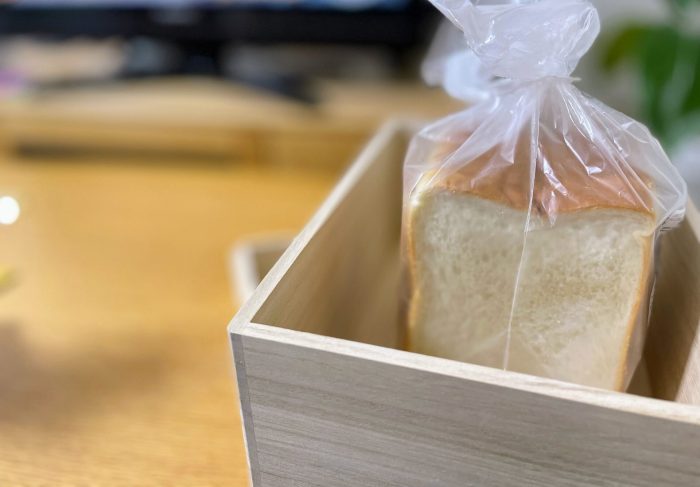
The Japanese bread box aesthetic, a captivating blend of functionality and refined design, has evolved over decades, reflecting shifts in Japanese design principles and cultural values. Its enduring appeal stems from a thoughtful integration of practicality, aesthetics, and a deep-rooted cultural appreciation for craftsmanship. This evolution reveals a fascinating narrative of adaptation and innovation.Japanese design principles, deeply rooted in the nation’s rich history, have significantly influenced the bread box aesthetic.
From the emphasis on minimalism and harmony to the appreciation for natural materials and meticulous craftsmanship, these principles have shaped the visual language and functionality of bread boxes. The aesthetic’s evolution is not simply a chronological progression but a reflection of Japan’s ongoing quest for balance and beauty.
Evolution of the Aesthetic
The development of the Japanese bread box aesthetic can be traced back to the post-war era, a period of significant societal and economic transformation. Early bread boxes, often functional and utilitarian, gradually incorporated design elements that reflected a growing appreciation for aesthetics. The rise of the postwar Japanese design movement, emphasizing clean lines and streamlined forms, is particularly significant.
This period laid the foundation for the sophisticated and refined aesthetic that characterizes modern bread boxes.
Historical Influences
Several key historical influences have shaped the Japanese bread box aesthetic. The influence of traditional Japanese architecture, characterized by its use of natural materials and emphasis on harmony with nature, is undeniable. Moreover, the post-war economic boom spurred the development of innovative design solutions, including the integration of new materials and manufacturing techniques. This led to the emergence of unique styles in bread boxes, reflecting the country’s burgeoning economy and evolving tastes.
Cultural Significance of Bread Boxes
Bread boxes in Japan hold a significant cultural position, transcending their purely functional role. They represent a blend of practicality and artistic expression, a testament to the nation’s enduring values. As symbols of domesticity and culinary traditions, they are carefully selected and cherished, often becoming treasured family heirlooms. The importance of family and the meticulous attention to detail in daily life are reflected in their design and use.
Connection to Japanese Design Principles
The Japanese bread box aesthetic is deeply intertwined with core Japanese design principles. These principles include the concepts of
- wabi-sabi*, which emphasizes the beauty of imperfection and impermanence, and
- ma*, the concept of empty space and balance. These principles are manifest in the clean lines, natural materials, and subtle details often found in Japanese bread boxes.
Timeline of Key Developments
- 1950s-1960s: Post-war economic recovery and the rise of minimalist design principles began to shape the early bread box aesthetics.
- 1970s-1980s: Growing emphasis on functionality and ergonomics, alongside a growing sophistication in design, began to emerge in bread boxes.
- 1990s-2000s: The introduction of new materials and manufacturing techniques led to the development of more innovative and aesthetically pleasing bread boxes.
- 2010s-Present: A renewed focus on sustainability and craftsmanship has further refined the Japanese bread box aesthetic, emphasizing natural materials and traditional methods.
Historical Figures and Designers
- Isamu Noguchi: A renowned sculptor and designer whose influence on Japanese design extends to various aspects, including furniture and home goods, is a key figure in this aesthetic. His emphasis on organic forms and simple lines resonates with the design principles of bread boxes.
- Kenzo Tange: A prominent architect known for his work in the postwar period, Tange’s contributions to modern Japanese architecture and design principles have influenced the overall design of many aspects of Japanese daily life, including bread boxes.
Visual Representations
The visual representation of the Japanese bread box aesthetic is crucial in conveying its essence. This aesthetic transcends simple functionality; it’s a statement about Japanese design philosophy, emphasizing harmony, minimalism, and a connection to nature. Visual cues are key to evoking the desired feelings and emotions associated with this style.
Image Examples
This aesthetic is often characterized by clean lines, muted colors, and a focus on natural materials. Images exemplify a serene and comforting atmosphere, drawing inspiration from the Japanese concept of “侘び寂び” (wabi-sabi), which embraces imperfection and the beauty of natural processes.
- A meticulously crafted bread box, possibly made of light-colored wood like maple or birch, with simple, geometric handles. The box is placed in a subtly lit kitchen setting, featuring muted tones like beige, cream, and light gray. The wood’s natural grain is highlighted, creating a warm and inviting atmosphere. This image conveys the aesthetic’s focus on simplicity and the beauty of natural materials.
- A bread box with a slightly distressed or aged finish, exhibiting a warm brown or taupe color. The box might be positioned within a kitchen with exposed beams and a minimalist design. The lighting is soft and diffused, highlighting the natural texture of the wood and emphasizing the beauty of imperfection.
- A white or off-white bread box, showcasing a subtle, understated pattern like delicate bamboo leaves or a minimalist wave design. The pattern is subtle enough to not distract from the overall simplicity of the box. The color palette might include hints of light green or gray, mirroring the calming effects of nature.
Color Palettes
The color palettes in these images typically evoke a sense of calm and tranquility. Muted tones like beige, cream, light gray, and warm browns are common. These colors are chosen to mimic natural elements, like wood grain, earth tones, and the subtle colors of a sunrise or sunset. The soft color palette promotes a relaxed and inviting atmosphere, aligning with the overall aesthetic.
For example, a light, warm beige evokes feelings of comfort and security, while a subtle gray provides a sense of sophistication and understated elegance.
Textures and Patterns
Natural textures are paramount. The wood grain, either emphasized or subtly present, is a key element. Subtle patterns, such as subtle bamboo leaves or minimalist wave designs, are sometimes used to add visual interest without detracting from the overall simplicity. The focus remains on natural materials and their inherent beauty.
Light and Shadow
Soft, diffused lighting is preferred, often mimicking natural light sources. The use of light and shadow helps to highlight the textures and patterns of the bread box and its surrounding environment. This creates a sense of depth and dimension within the image, enhancing the overall aesthetic appeal. Images might feature soft shadows cast by the bread box on a countertop, or the play of light on the natural wood grain.
Mood and Atmosphere
The overall mood and atmosphere created by these images are calming, serene, and inviting. They evoke feelings of comfort, relaxation, and a connection to nature. The aesthetic is meant to be comforting and inspiring. The images inspire feelings of tranquility, a reflection of the Japanese aesthetic’s emphasis on natural beauty and serenity.
Inspirational Artists and Designers
Inspirational figures in this style include designers who embrace minimalist approaches, such as the works of Japanese architects like Tadao Ando, and designers who celebrate the beauty of natural materials. Their focus on functionality, elegance, and harmonious integration with the environment has influenced this aesthetic.
Visual Elements Table
| Visual Element | Description | Emotional Impact |
|---|---|---|
| Color Palette | Muted tones (beige, cream, light gray, warm browns) | Calm, tranquility, relaxation |
| Texture | Natural wood grain, subtle patterns | Connection to nature, warmth, comfort |
| Light and Shadow | Soft, diffused lighting | Depth, dimension, serene atmosphere |
| Overall Mood | Serene, inviting, comforting | Relaxation, connection to nature |
Product Design Examples
The Japanese bread box aesthetic, characterized by minimalist design, natural materials, and a focus on functionality, translates seamlessly into product design. This approach prioritizes a harmonious blend of form and function, creating aesthetically pleasing storage solutions that seamlessly integrate into a kitchen environment. The meticulous attention to detail, from material selection to color choices, contributes to a holistic experience that resonates with the principles of Japanese design philosophy.Embodying the essence of this aesthetic requires a profound understanding of both the practical needs of the user and the inherent beauty of simplicity.
This necessitates careful consideration of materials, construction techniques, and overall design principles. The result is a bread box that not only effectively stores bread but also enhances the overall ambiance of the kitchen.
Bread Box Design: “Zenith”
This bread box, designed to embody the Japanese bread box aesthetic, emphasizes clean lines and a sense of quiet elegance. Its construction leverages a combination of natural materials to create a warm and inviting feel.
- Materials: Natural wood (e.g., cherry or maple), meticulously finished for durability and beauty. The interior features a non-porous, food-safe coating for easy cleaning. A subtle metal hinge, likely stainless steel, enhances the understated luxury.
- Color Palette: Neutral tones, such as light gray-wood or a muted, warm beige. The color palette complements various kitchen decors, allowing the bread box to blend seamlessly with the environment. Accentuating the aesthetic is the subtle use of a dark-gray or black interior.
- Overall Design: A simple, rectangular shape with slightly rounded corners, providing a modern take on a traditional form. The box’s profile emphasizes clean lines and smooth surfaces. A single, integrated handle, crafted from the same wood, provides for easy carrying.
Bread Box Design Examples
| Design | Material | Color | Cost (USD) | Production (estimated weeks) |
|---|---|---|---|---|
| Zenith | Natural wood (cherry/maple), food-safe coating, stainless steel | Light gray-wood/muted beige | $150-$250 | 6-8 |
| “Kintsugi” | Natural wood (walnut), metallic accents | Warm brown/bronze | $180-$300 | 7-9 |
| “Shoji” | Natural wood, transparent acrylic | Natural wood/clear | $120-$200 | 4-6 |
Ergonomics and Functionality
The Zenith bread box’s ergonomics prioritize ease of use. The integrated handle allows for comfortable lifting, while the interior design promotes efficient bread storage. The non-porous interior coating ensures easy cleaning and maintenance.
- Handle: The integrated handle, crafted from the same wood as the box, is designed for a secure grip, reducing the risk of accidental slippage. Its placement allows for optimal leverage, ensuring a comfortable lifting experience.
- Storage Capacity: The design accommodates various loaf sizes, maximizing storage space. Internal dividers or compartments are possible additions to increase efficiency.
Alternative Design Concepts
Other design concepts could incorporate innovative features, such as adjustable dividers for customized bread storage. Consideration could also be given to a modular design, allowing for expansion and customization of storage capacity. Alternatively, a transparent lid could allow for easy visibility of the bread without compromising the aesthetic.
Materials, Cost, and Production
| Material | Cost per unit (USD) | Production Time (weeks) |
|---|---|---|
| High-quality wood | $50-$100 | 2-4 |
| Food-safe coating | $10-$20 | 1-2 |
| Metal hardware (hinge/handle) | $15-$30 | 2-3 |
| Acrylic (if applicable) | $20-$40 | 1-2 |
Interior Design Applications
The Japanese bread box aesthetic, characterized by its warm, inviting, and functional nature, translates seamlessly into modern interior design. Its emphasis on natural materials, minimalist lines, and a focus on functionality offers a refreshing alternative to overly stylized or cluttered spaces. This aesthetic can foster a sense of calm and tranquility, creating a home environment that is both visually appealing and conducive to well-being.This approach to design, rooted in the principles of Japanese aesthetics, offers a practical and aesthetically pleasing solution for contemporary living spaces.
By incorporating key features such as natural light, muted color palettes, and carefully considered storage solutions, homeowners can create an environment that promotes a sense of harmony and order.
Kitchen Floor Plan
This kitchen, designed with the Japanese bread box aesthetic in mind, prioritizes functionality and visual appeal. The layout is open and airy, maximizing natural light. A central island, constructed from light-colored wood, serves as a focal point, providing ample counter space and storage. The cabinetry is minimalist, featuring clean lines and soft-toned wood finishes. Countertops are likely to be a neutral, light stone or wood, enhancing the sense of calm and order.
Large windows bring in natural light, further brightening the space.
Furniture Pieces
A collection of furniture pieces tailored to this aesthetic should include:
- Low, minimalist dining tables made from light-colored wood or bamboo, fostering a sense of intimacy and ease.
- Comfortable seating, perhaps woven rattan or upholstered in natural fabrics like linen or cotton, adding warmth and texture to the space.
- Storage solutions, such as open shelving or built-in cabinets, crafted from natural materials, maintaining a sense of openness and order.
- A focal point, like a large, decorative Japanese-style screen or a beautiful vase of natural flowers, enhancing the visual interest and harmony.
Lighting
Lighting plays a crucial role in enhancing the Japanese bread box aesthetic. Natural light is prioritized, with large windows and skylights maximizing brightness. Ambient lighting, such as soft recessed lighting or warm-toned pendant lights, is used to create a welcoming atmosphere. Task lighting, like under-cabinet lighting in the kitchen, provides focused illumination for specific activities. The strategic use of lighting is key to maintaining the subtle balance and visual harmony that is inherent in this aesthetic.
Living Room Arrangement
A living room arrangement inspired by the Japanese bread box aesthetic emphasizes calm and serenity. Natural light is maximized by positioning furniture near large windows. A low, wooden coffee table, a woven rug, and comfortable seating arranged in a relaxed manner create a space for conversation and relaxation. Minimalist décor, such as a Japanese-style scroll or a bonsai tree, adds subtle visual interest.
Interior Design Applications Table
| Application | Description |
|---|---|
| Kitchen | Open layout, central island, light-colored wood cabinetry, neutral countertops, maximizing natural light. |
| Furniture | Low tables, woven seating, open shelving, natural materials, focus on functionality. |
| Lighting | Natural light priority, soft ambient lighting, warm tones, task lighting. |
| Living Room | Relaxed arrangement, natural light, low coffee table, woven rug, comfortable seating, minimalist décor. |
Mood and Atmosphere
The Japanese bread box aesthetic fosters a calm, tranquil, and inviting mood. The use of natural materials, muted color palettes, and minimalist design elements creates a serene atmosphere. The focus on functionality and order further contributes to a sense of well-being and peacefulness, making it a suitable choice for creating a harmonious and calming living space.
Comparative Analysis
The Japanese bread box aesthetic, a blend of functionalism and refined minimalism, sits within a rich tapestry of Japanese design traditions. Understanding its relationship to other aesthetics reveals its unique character and influence. This comparison provides context for appreciating the bread box’s specific qualities.The bread box aesthetic, while grounded in Japanese design principles, presents a unique synthesis. Its comparison with other Japanese design approaches and broader international styles highlights its distinctive characteristics.
Comparison with Other Japanese Design Aesthetics
Japanese design, renowned for its diverse expressions, often centers on the principles of 侘び寂び (wabi-sabi), emphasizing imperfection, natural materials, and a sense of tranquility. The bread box aesthetic, with its focus on clean lines and practicality, shares the respect for materials and the pursuit of harmony with nature. However, it departs from some traditional Japanese aesthetics, which often incorporate more elaborate decorative elements.
Instead, the bread box style emphasizes a direct, functional approach, reflecting the modern Japanese preference for simplicity. For example, while some traditional Japanese crafts feature intricate patterns, the bread box aesthetic prioritizes a seamless, unadorned aesthetic.
Comparison with Scandinavian Design
Scandinavian design, known for its clean lines, natural materials, and focus on functionality, shares similarities with the Japanese bread box aesthetic. Both styles favor uncluttered spaces and prioritize the use of natural materials like wood. The emphasis on simplicity and practicality also resonates across both aesthetics. However, Scandinavian design sometimes incorporates a more overtly decorative or playful element, which is less prominent in the bread box aesthetic.
The Japanese bread box style, while respecting natural materials, leans towards a more subdued and refined approach.
Comparison with Contemporary Minimalist Styles
Contemporary minimalist styles, characterized by their emphasis on form and function, often align with the Japanese bread box aesthetic. Both styles favor clean lines, uncluttered surfaces, and the use of neutral palettes. The core principle of functionality is paramount in both approaches. However, contemporary minimalism can sometimes veer into an overly austere aesthetic, whereas the bread box aesthetic maintains a warmer, more welcoming tone, particularly through the use of natural materials.
Comparison with Other Japanese Art Forms
The Japanese bread box aesthetic draws parallels with other Japanese art forms, particularly in its focus on harmony and the beauty of simplicity. The use of natural materials and the creation of functional objects reflects a deep connection to nature. This connection is similar to principles found in traditional Japanese gardens, calligraphy, and pottery. However, the bread box aesthetic differs from, say, ink painting, in its emphasis on practicality and everyday use.
Summary Table
| Aesthetic | Key Similarity | Key Difference |
|---|---|---|
| Japanese Bread Box | Emphasis on functionality, natural materials, and simplicity | Subdued and refined aesthetic, less overt decoration compared to some traditional Japanese art |
| Scandinavian Design | Clean lines, natural materials, and focus on functionality | Potentially more decorative or playful elements; less subdued tone than the Japanese style |
| Contemporary Minimalism | Clean lines, uncluttered surfaces, and neutral palettes | Can be overly austere; the bread box style maintains a warmer aesthetic |
| Traditional Japanese Art Forms (e.g., Ink Painting) | Connection to nature, harmony, and simplicity | Emphasis on practicality and everyday use; less emphasis on elaborate decorative elements compared to ink painting |
Modern Interpretations
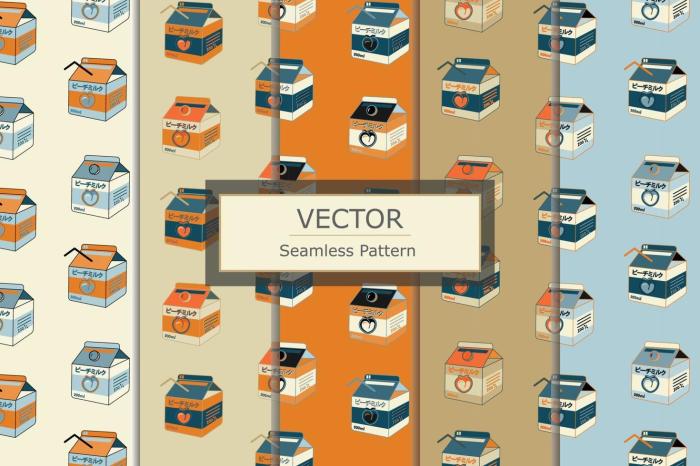
The Japanese bread box aesthetic, rooted in functionality and understated elegance, is undergoing a fascinating metamorphosis in the contemporary world. This evolution reflects broader design trends, the rise of digital media, and a desire to adapt traditional aesthetics to new contexts. Contemporary artists and designers are reimagining the clean lines and natural materials, creating innovative products that maintain the core principles while incorporating modern sensibilities.Contemporary interpretations of the Japanese bread box aesthetic prioritize a fusion of traditional values with contemporary design trends.
This approach results in products that are both visually appealing and highly functional. This reimagining often involves exploring new materials, manufacturing techniques, and digital design processes to create a fresh take on the original aesthetic.
Modern Product Examples
Contemporary products embodying the Japanese bread box aesthetic frequently feature sleek, minimalist designs. Materials like bamboo, reclaimed wood, and sustainable plastics are prevalent. The aesthetic is seen in everything from home storage solutions to kitchen appliances. A notable example is the use of sustainable bamboo in modern bread boxes, which echo the traditional emphasis on natural materials while incorporating modern manufacturing techniques for increased durability and longevity.
Another example is the use of digitally-designed lighting fixtures that incorporate elements of the aesthetic’s clean lines and natural color palettes.
Adapting for Different Cultural Contexts
The Japanese bread box aesthetic, with its emphasis on simplicity and functionality, can be readily adapted to various cultural contexts. The core principles of natural materials, thoughtful design, and user-friendliness can be applied to products and spaces globally. For example, a bread box design incorporating local materials and craftsmanship could appeal to consumers in other parts of Asia, while a modern interpretation using locally-sourced sustainable materials could appeal to environmentally conscious consumers in Europe or North America.
By adapting these design principles to local needs and preferences, the aesthetic can gain broad appeal.
Role of Technology in Evolution
Technology plays a pivotal role in the evolution of the Japanese bread box aesthetic. Digital design tools allow for more intricate and personalized interpretations. 3D printing, for instance, allows for the creation of bespoke pieces that cater to specific needs. Furthermore, digital media platforms offer new avenues for showcasing and promoting the aesthetic. The aesthetic can be further adapted by using digital design tools for exploring and developing new variations, and by using digital media for wider distribution and marketing.
Table of Modern Interpretations
| Category | Description | Example |
|---|---|---|
| Home Storage | Modern take on traditional Japanese bread box, often with minimalist design and sustainable materials. | A bamboo bread box with a magnetic closure, featuring a subtle wood grain pattern. |
| Kitchen Appliances | Sleek and minimalist kitchen appliances, often with natural materials and clean lines. | A digitally-designed rice cooker with a bamboo exterior and touch controls. |
| Interior Design | Incorporating the aesthetic into home décor, using natural materials and a sense of calm. | A shelving unit made of reclaimed wood with a subtle, understated design. |
Interpretations through Digital Media
Digital media platforms offer a vast canvas for interpreting the Japanese bread box aesthetic. Artists and designers use these platforms to showcase their interpretations, from intricate digital renderings of furniture to interactive digital experiences that evoke the sense of calm and functionality associated with the aesthetic. The aesthetic can be presented in digital media through photorealistic renderings, augmented reality (AR) experiences, and animated videos.
These interpretations use digital tools to express the aesthetic’s inherent simplicity and functionality.
Future Trends
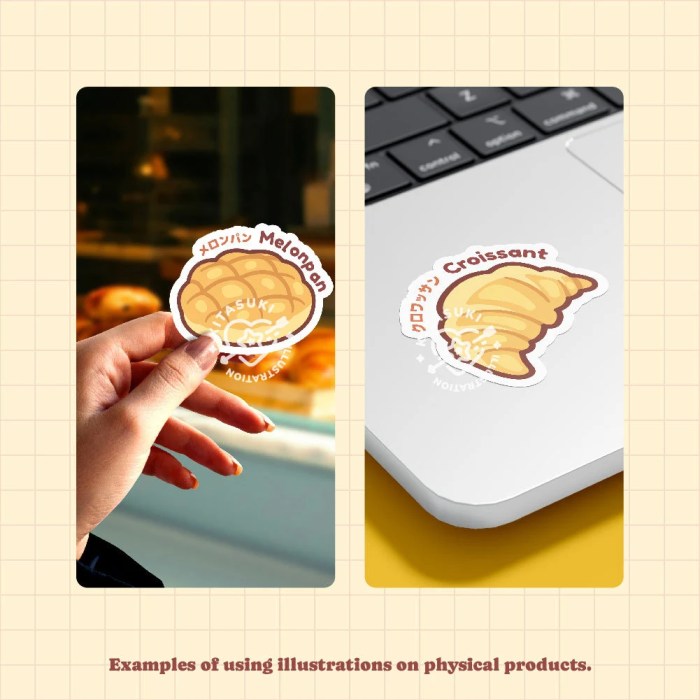
The Japanese bread box aesthetic, with its emphasis on functionality, understated elegance, and natural materials, is poised for evolution. Its core principles of minimalism and practicality are likely to remain strong, but future interpretations will incorporate emerging design trends and technological advancements, particularly in the realm of sustainability. This will manifest in a wider range of applications, from everyday household items to bespoke interior designs.
Predicted Future Trends
The enduring appeal of the aesthetic lies in its timeless quality, capable of adapting to future needs and trends. Key elements of the aesthetic, like natural materials and muted color palettes, will likely remain prominent. However, the specific applications and materials will likely change to reflect evolving design preferences and sustainability concerns. The aesthetic’s adaptability allows for future innovation and integration with modern technologies.
Evolution of the Aesthetic
The aesthetic’s evolution will likely involve the integration of new technologies and materials, reflecting the push for sustainability. For example, the incorporation of recycled or bio-based materials, such as bamboo or mycelium-based composites, could enhance the aesthetic’s environmentally conscious profile while maintaining its core design principles. The integration of smart technologies, such as sensors and automated features, could further enhance the aesthetic’s practicality and functionality.
Impact of Sustainable Materials
Sustainable materials are poised to significantly influence the Japanese bread box aesthetic. The rise of eco-conscious design trends will encourage the use of renewable and recycled materials, pushing manufacturers to explore options like bamboo, reclaimed wood, and mycelium-based composites. These choices not only reduce the environmental footprint but also add a unique texture and aesthetic depth to the design.
The beauty of natural materials and the potential for durability will continue to drive this trend.
Adapting to Future Design Needs
The aesthetic’s future adaptation will hinge on its ability to address emerging design needs. This includes the growing demand for modular and customizable designs that allow for flexibility and personalization. Furthermore, the increasing focus on wellness and mindfulness will likely see an integration of natural light and calming color palettes into the design. This will be critical in creating spaces that promote well-being.
Future Product Design
| Feature | Description |
|---|---|
| Material | Recycled bamboo laminate with a matte finish |
| Functionality | Modular bread box system with customizable compartments and removable trays for easy cleaning. Integrated temperature sensors and humidity control. |
| Aesthetic | Subtle, warm color palette with natural wood accents. Smooth, clean lines emphasizing functionality. |
| Sustainability | Certified sustainable bamboo sourcing and minimal packaging. |
“The future of design lies in finding harmony between functionality, aesthetics, and sustainability.”
A future product, drawing on the Japanese bread box aesthetic, could be a modular bread box system. This system would utilize a recycled bamboo laminate with a matte finish. The design would feature customizable compartments and removable trays for easy cleaning. Integrated temperature and humidity sensors would optimize bread freshness, while the subtle, warm color palette with natural wood accents would maintain the aesthetic’s core principles.
This system could be offered in various sizes and configurations to accommodate diverse storage needs. This future product reflects the growing trend toward sustainable and adaptable design solutions.
Final Review
The Japanese bread box aesthetic, a harmonious blend of simplicity, natural elements, and cultural influences, offers a compelling framework for modern living. From its historical roots to contemporary interpretations, this aesthetic demonstrates a deep appreciation for balance and minimalism. This examination underscores its enduring appeal and adaptability across diverse design contexts.
